Low Range Offroad 4x4 Co-op Trail Tips
Lead, follow, winch, and share fuel caches without wrecking the server’s mud.
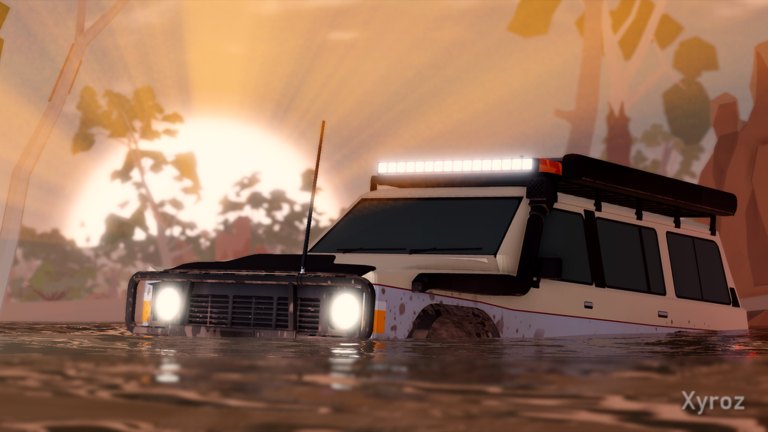
Co-op in Low Range: Offroad 4x4 is a pace and recovery skill, not a horsepower contest. Stages are single trails inspired by real offroad tracks. Friends finish more runs when they manage lead/follow spacing, winch teamwork, fuel cache etiquette, and clear communication—especially on servers that hold up to 20 players and remember every mud rut.
Use this page as the deep dive under the Players Hub. Pair it with Truck Setup, Getting Started, and role picks from the Tier List Hub.
Before you leave the trailhead
- Confirm everyone is on the same server after map select. Party splits are a reported pain point—use follow-friend / rejoin tactics from the Players Hub before blaming driving skill.
- Pick roles: lead (line choice), sweep (last truck with winch ready), optional mid rescuer on longer stages.
- Agree on pace: crawl technical sections together; do not sprint ahead into a one-lane choke.
- Share truck roles mentally—stable beginner trucks often make better anchors than twitchy climb toys.
- Decide a simple call set (examples below) so chat stays short.
Five minutes of briefing saves twenty minutes of buried axles.
Lead / follow spacing
Lead driver
- Set a crawl speed the slowest truck can match in low range.
- Pause above tough pinches so followers see your line—not your reverse lights in a hole.
- Call hazards early: off-camber roots, soft shoulders, false crests.
- If you dig a bad rut, own it—warn the group and suggest a high-side bypass.
Followers
- Keep one winch length of space when possible so someone can reverse or swing a cable.
- Do not stack nose-to-tail in mud; stacked spin digs a canyon for the whole server.
- Copy the lead’s tire pressure mindset: air down when they do on soft ground.
- If you lose sight, stop at the last safe pad instead of guessing a blind line.
Sweep
- Carry patience and a clean winch plan.
- Stay on firmer ground when rescuing so you do not become stuck #2.
- After a pull, reset spacing before the convoy rolls again.
Spacing is how co-op stays fun when the stage narrows.
Winch teamwork (deep)
Winching a friend is different from winching a tree.
Tree anchors
- Prefer live, solid trunks in line with the stuck vehicle’s escape path.
- Avoid pulling sideways into a deeper ditch.
- Ease in; shock loads snap progress and nerves.
Vehicle-to-vehicle
- Helper parks stable, pointed toward a clear exit.
- Stuck driver hooks, then both acknowledge “tension” before throttle.
- Helper holds brakes or slight reverse resistance as agreed; stuck driver uses gentle drive to help the cable, not to dig.
- Watch for cable stretch angles that yank a truck into roll territory—abort and re-hook rather than force it.
- After freedom, coil the moment: clear the lane, thank the helper, move to a wider spot before re-grouping.
Multi-truck assists
On 20-player servers, strangers may already be winching at the same choke. Queue politely. Two cables fighting different directions can fold a bumper into a worse stuck. One primary pull at a time unless you explicitly coordinate.
Fuel cache etiquette
Fuel caches refill tanks and act as checkpoints. In co-op they are also social bottlenecks.
- Do not AFK on the cache pad—fill, confirm, roll a few truck lengths clear.
- Call “cache in 100” so thirsty trucks do not overtake into a climb dry.
- If the group is staggered, the lead can wait at the next safe overlook instead of vanishing.
- Remember 4WD burns more; climb-heavy setups need stricter cache discipline.
- Treat caches as reset points after a messy rescue: top off, re-air tires if needed, restate the next plan.
A convoy that skips caches “to save time” usually loses more time to a dry tank mid-ledge.
Communication that actually helps
Voice Chat is listed as not supported on the Roblox experience page at times—plan for text chat or external voice your group already uses. Keep calls crisp:
| Call | Meaning |
|---|---|
| “Same server?” | Verify instance before driving |
| “Holding” | Lead paused above a hazard |
| “High left” | Prefer the left/high line |
| “Soft” | Expect deep mud—air down, no spin |
| “Winch ready” | Helper is parked and available |
| “Tension” | Cable about to load—no surprise throttle |
| “Clear” | Choke is free; next truck may proceed |
| “Cache” | Fuel/checkpoint stop |
Avoid novel-length stories mid-climb. Save debriefs for flat ground.
Shared mud responsibility
Because mud remembers ruts for everyone, co-op ethics are mechanical:
- One reckless spinner can erase a workable line for fifteen other people.
- If your group must cross a soft section, send the lightest/most floated setup first to prove a line, then follow in its tracks only if those tracks remain useful—or choose a parallel high line if the first track is already a trench.
- After a recovery, do not celebrate with burnout doughnuts in the soft stuff.
- Teach newcomers truck setup between attempts instead of towing the same mistake forever.
Protecting the surface is how late-server runs stay possible.
Mixed-skill convoys
When veterans roll with brand-new players:
- Put the calmest driver on lead, not the flashiest unlock.
- Pair each new player with a mentor on winch duty.
- Run Starter Crawler / All-Rounder roles from the tier list until the group’s weak link can finish without constant extraction.
- Celebrate clean lines louder than risky saves—reinforces the right habits.
After-action loop
- Note the three worst stucks and whether spacing, setup, or server mud caused them.
- Adjust tire and range habits before swapping trucks randomly.
- If instance splits wasted the session, practice the join workaround until it is automatic (Players Hub).
- Skim Updates when a patch changes physics—old winch angles may feel different.
Related reading
- Players Hub — server size, etiquette overview, map-select workarounds
- Truck Setup — air-down, diffs, low range L/L+, solo winch basics
- Beginner trucks — stable platforms that also rescue well
- Early Access — expect multiplayer quirks while the game matures
Lead slow, follow with space, winch with consent, clear the cache pad, and leave the mud kinder than you found it.
Frequently Asked Questions
Quick answers for Low Range Offroad 4x4 players.
How much space should followers keep?
Aim for roughly one winch length when terrain allows so someone can reverse or swing a cable without stacking in mud.
Who should lead a mixed-skill group?
The calmest line-reader, not the rarest truck. Sweep should be a patient winch-ready driver at the back.
What is fuel cache etiquette in co-op?
Fill up, move clear of the pad, and call caches early. Do not AFK on the checkpoint—others need the refill too.
How do we communicate if Voice Chat is unavailable?
Use short text calls or an external voice app your group already shares. Agree on a tiny call set before the trail.