Low Range Offroad 4x4 Ridgeback Creek Stage 1 Guide
First-stage prep, free truck picks, line and setup plan, fuel caches, and a stuck-point mindset for Early Access.
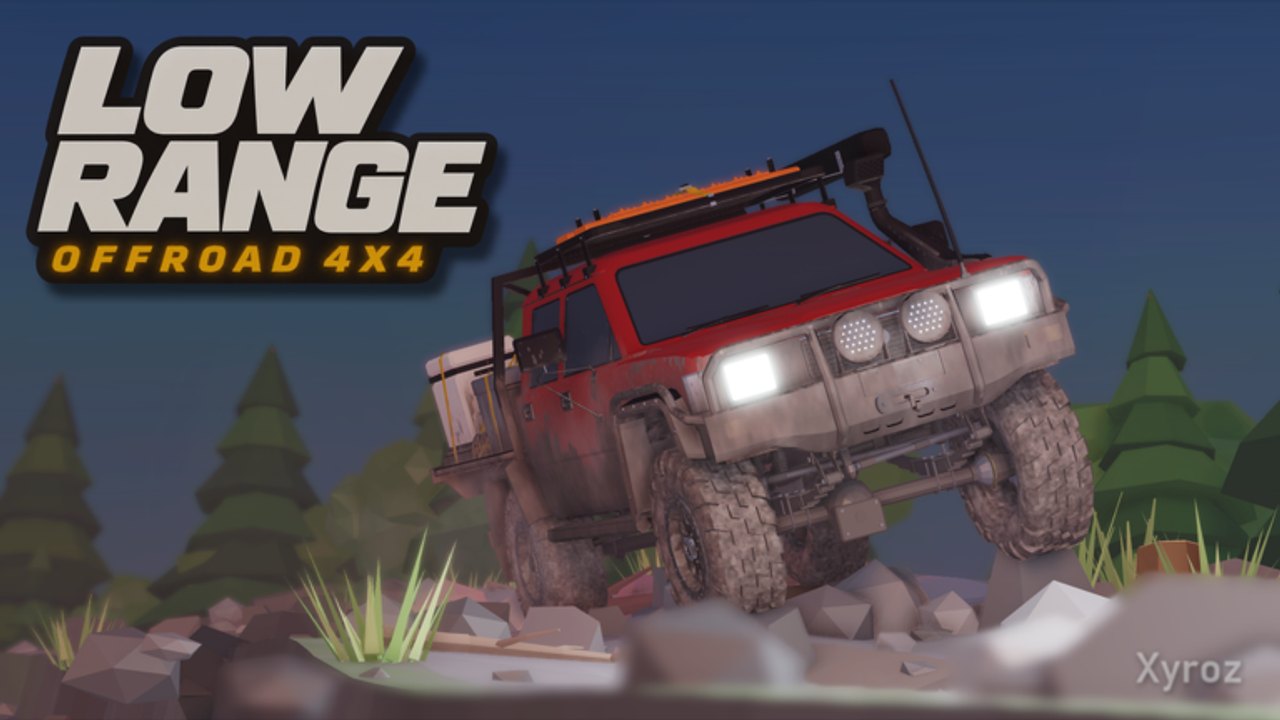
Ridgeback Creek — especially Stage 1 — is a name players see early in Low Range: Offroad 4x4 menus. Treat it as your classroom trail: mixed ground, shared mud that remembers every pass, and enough technical moments to punish panic throttle without requiring a locked specialist truck. This walkthrough covers prep, truck pick from free roster examples, a line / setup / fuel / winch plan, and a common stuck-points mindset. Cross-read Reading Terrain, Getting Started, Truck Setup, Beginner trucks, and Co-op tips. The Guides Hub lists every how-to.
Early Access caveat: stage layout, Garage names, and feel can change between publishes. Verify what your build shows today. The habits below transfer even when a pinch moves or a truck rename lands.
What Stage 1 is for
Your goal is not a highlight-reel time. Finish with a truck you still understand. Ridgeback Creek Stage 1 rewards:
- Looking past the first bump and choosing an exit
- Preparing tires and low range before soft or ledged ground
- Leaving mud kinder than you found it on a 20-player server
- Using fuel caches as refills and checkpoints
- Winching early to a tree or friend instead of excavating a canyon
If you treat Stage 1 like an arcade sprint, you will dig ruts, burn tank, and teach bad habits that follow you onto harder maps.
Prep before you leave the start
- Confirm stop, reverse, and gear modes on your device — see Getting Started and Controls if anything feels mushy.
- Glance at fuel before the first climb. You do not start with an endless tank; hard 4WD and spinning spend it faster.
- Mentally mark the idea of the first cache: caches refill and act as checkpoints, so plan stretches between them.
- Spot at least one tree along the early soft sections in case reverse dies.
- Agree with friends on spacing if you convoy — one truck attempts a pinch while others wait on firm ground (Co-op tips).
Boring prep is the point. Panic starts when you enter mud on street pressure with no abort plan.
Truck pick: free roster examples
Community menu shots have shown free options in the spirit of LC80 Overlander, D-Max, Hilux Dual Cab, and Patrol GQ, with locked examples such as FJ40 and Patrol GU depending on progress. Names and unlocks can change in Early Access — open Garage today and grade what you actually own.
For Ridgeback Creek Stage 1, prefer a Starter Crawler feel:
- Stable enough that a mild off-camber mistake does not end in a tip
- Readable throttle so you can creep in L / L+
- Enough response that air-down and lockers teach you something
You do not need a locked specialist to learn this stage. Setup skill on a free truck beats a rare badge driven wrong. Deeper Garage advice lives on Beginner trucks and the Tier List Hub.
Line plan: read before you commit
Use the full language from Reading Terrain:
Mud
Ridgeback-style soft ground is where servers write their history. Do not blindly follow the shiny center groove after traffic. Prefer a shallower shoulder when one exists. If the truck ahead spun or winched, treat their track as a warning, not a GPS route.
Roots and rock
Aim small steps. Plan where the rear follows. Select low range early so you can abort crooked approaches. A root that looks minor from far away can stop a rushed Automatic climb cold.
Water
Pick the exit bank before you splash. Steady crawl beats a panicked launch onto a steep lip. Unknown depth deserves respect; official copy confirms water changes grip without publishing a universal safe number.
Setup plan: one variable at a time
Before the first serious soft or ledged section:
- Air down while you still have room (community guides widely report 4; watch the indicator, often bottom-left).
- Move to L, then L+ when the step needs crawl control more than momentum.
- Toggle diff locks (K in many beginner videos) when a wheel spins uselessly after line and range are already sane.
- If the truck will not move, stop digging and go to the winch plan.
Change one setting between attempts so you learn. Full trees for these tools are on Truck Setup.
Fuel plan
4WD helps traction and burns more fuel. On Stage 1, use caches as rhythm markers:
- Refill when you arrive — do not “save the stop” out of pride.
- Reassess tire pressure and range at the cache, not mid-rut.
- Ask whether the next stretch deserves full soft-tire aggression or a calmer connector pace.
- If you are already low, a failed hero attempt between caches is how people strand.
Details and checkpoint thinking sit on Fuel and Checkpoints.
Winch plan
Before no-backup holes, mark a tree in a useful pull direction. In co-op, a friend’s truck on firm ground is a mobile anchor — not a second victim in the same hole. Pull toward steerable ground, brake, change line or setup, then re-enter. Do not winch straight back into the polished groove that trapped you. Full recovery etiquette: Winch Guide and Co-op tips.
Common stuck-points mindset
Exact rock coordinates shift in Early Access, so memorize failure modes, not GPS pins:
| Failure mode | First response |
|---|---|
| Spinning in mud with no progress | Ease off, reverse if possible, shallower entry, air-down + L |
| Front crest, rear twisted on rock/root | Reverse to easy ground; slower approach in L/L+ |
| Diagonal wheel unload | Lockers after line/range are sane |
| No reverse shelf | Winch to tree/friend toward firm ground |
| Tank draining while stuck | Stop throttle theater; recover, then plan cache |
| Three trucks stacked in one pinch | Wait on firm ground; one attempt at a time |
The mindset is diagnostic. “I am stuck” is incomplete. “I am stuck because I entered a deepened rut on hard tires in Automatic” gives you a fix.
Solo versus co-op on Ridgeback
Solo: tree-scout every soft bowl that looks scenic and irreversible. Co-op: let the lead truck clear or reverse before you enter the same pinch; watch tire slip as free scouting; leave reverse room. Servers hold up to 20 players — popular early stages get dug out fast during peak hours. Shared mud etiquette is part of finishing, not optional manners.
After your first clean finish
Rerun Stage 1 quieter. Air down earlier. Select L sooner. Refuse one bad follow-the-leader groove. Then push the same eyes onto other maps. Return to Reading Terrain whenever you catch yourself copying tracks without looking at depth. Revisit Getting Started if stop/reverse discipline slipped.
Related pages
- Reading Terrain — mud memory, roots, rock, water, when not to follow
- Getting Started — first-hour checklist
- Truck Setup — tires, diffs, low range
- Beginner trucks — free starter evaluation
- Co-op tips — spacing, winch teamwork, shared ruts
- Guides Hub — full directory
Ridgeback Creek Stage 1 is where Low Range Offroad 4x4 teaches its language. Learn it on a free truck with patient lines, and later stages stop feeling like random punishment.
Frequently Asked Questions
Quick answers for Low Range Offroad 4x4 players.
What is Ridgeback Creek in Low Range Offroad 4x4?
Ridgeback Creek Stage 1 is a known early stage name from player menus—an ideal classroom trail for line choice, shared mud, setup, fuel caches, and winch habits in Early Access.
Which truck should I use on Ridgeback Creek Stage 1?
Start with a free Garage truck that feels stable—community examples include LC80 Overlander, D-Max, Discovery II, Hilux Dual Cab, and Patrol GQ. Locked or paid names like FJ40, Patrol GU, or 78 Troopy can change; verify Free/Owned/Locked Garage tabs and prioritize setup over unlock FOMO.
Should I follow other players' tire tracks?
Not blindly. Mud ruts deepen for the whole server. If the groove is polished or the truck ahead spun, pick a shallower shoulder or wait for a cleaner entry. See Reading Terrain.
What setup should I use before soft Ridgeback sections?
Air down before entry (community tip: key 4), crawl in L or L+, and add diff locks (often K) when a wheel wastes torque. Change one variable per attempt—details on Truck Setup.
How do fuel caches matter on Stage 1?
They refill the tank and act as checkpoints. Refill on arrival, reassess pressure and range there, and avoid hero attempts when the tank is already low between caches.
What if I keep getting stuck in the same pinch?
Stop spinning, reverse when possible, change line or setup, then winch to a tree or friend's truck toward firm ground. In co-op, one truck attempts while others wait—see Co-op tips.