Low Range Offroad 4x4 Fuel and Checkpoints
4WD burns more — use trail fuel caches as refills and checkpoints so hard sections stay intentional.
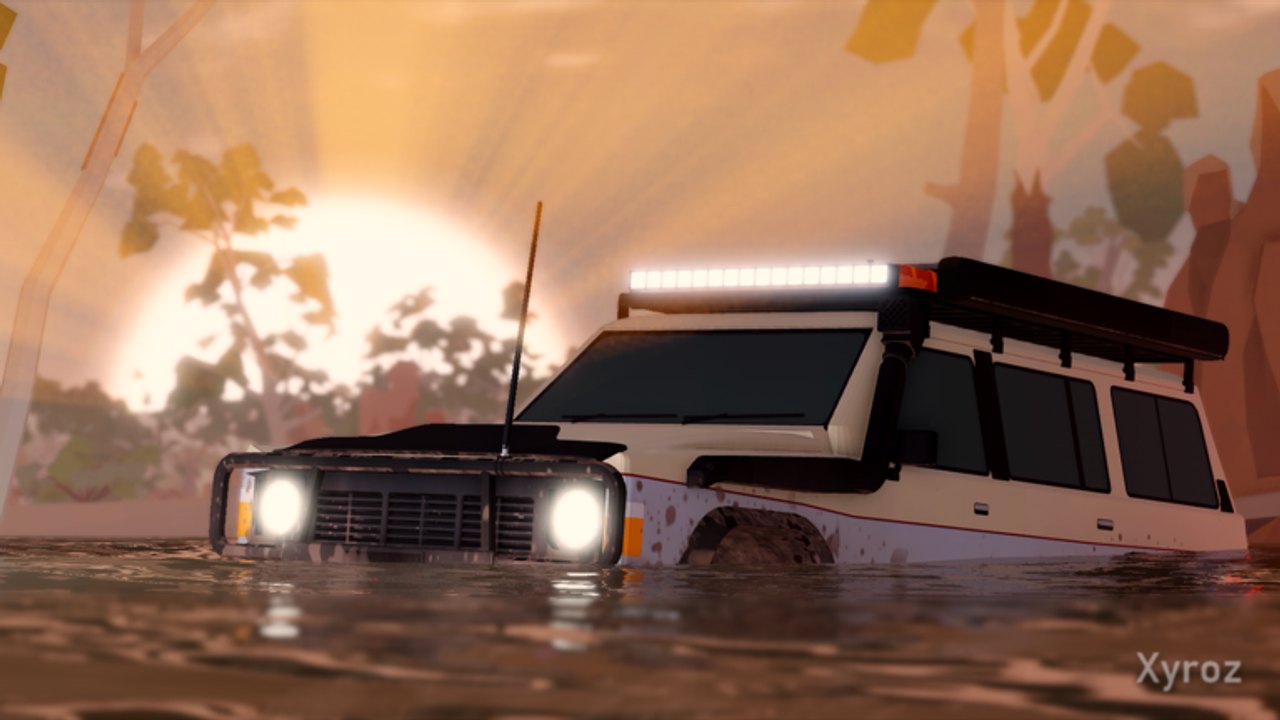
Fuel is a trail resource in Low Range: Offroad 4x4, not a background bar you ignore until empty. MTBAce Studios states it plainly on the Roblox page: 4WD burns more, and fuel caches on the trail fill your tank and act as checkpoints. This guide explains how to plan stretches between caches, when grip is worth the burn, how stuck spinning wastes tank, and how checkpoint thinking changes solo versus co-op runs.
Read this alongside Truck Setup (traction tools cost attention and often fuel), Controls (throttle discipline), Getting Started (first-trail habits), and Winch Guide (do not empty the tank while digging). The Guides Hub ties the set together.
What the developer confirms
- 4WD uses more fuel than driving without that extra traction demand.
- Fuel caches along the trail refill the tank.
- Those same caches act as checkpoints.
- Stages are start-to-finish trails where reading ground and setup matter more than speed.
Exact restart rules after every failure type are not fully spelled out in marketing copy, so treat caches as safe planning points: refill, breathe, reassess setup, then commit to the next segment. Early Access can refine HUD and economy feel — verify what your build shows when you roll onto a cache.
Why fuel runs out “too fast”
New players often blame the tank size when the real leak is behavior:
- Holding high throttle on easy connectors.
- Leaving heavy traction tools and impatient spin active when the truck is not progressing.
- Digging mud ruts in place (which also worsens the stage for everyone on the server).
- Skipping cache stops because “I still have some” and then hitting a long technical pitch empty.
Community beginner videos also note that you do not start with a huge surplus and that driving harder spends fuel faster. The fix is boring: ease off when you are not moving, reverse to rethink, and treat each cache as a mandatory planning stop on unfamiliar stages.
Caches as checkpoints
Mentally split every stage into cache-to-cache legs.
At each cache:
- Refill.
- Check the terrain ahead — mud bowl, rock steps, water crossing, root stairs.
- Decide setup for that leg: tire pressure, lockers, low range (see Truck Setup).
- Decide how much 4WD aggression the leg deserves relative to remaining distance to the next cache.
- Spot a reverse shelf or winch tree if the leg looks like a no-backup trap (Winch Guide).
If you blow past a cache at speed “to save time,” you skip the free checkpoint mindset the game is handing you. Low Range is not rewarding that kind of time save.
When grip is worth the burn
Sometimes the correct answer is to spend fuel on traction. Soft climbs, ledges that need crawl, and short brutal pitches often reward aired-down tires, lockers, low range, and committed 4WD. The tank exists to be used on hard ground — not to be babysat so hard that you under-drive and strand yourself sideways for five minutes of spin anyway.
Rule of thumb:
- Short technical pitch with a cache after: spend what you need; reset at the cache.
- Long unknown stretch with no cache in sight: be stingier; prioritize clean lines and fewer retries.
- Already stuck and spinning: you are paying fuel for zero meters. Stop. Reverse or winch. Then spend fuel on a better attempt.
There is no single setting this wiki can prescribe for every stage. Official copy confirms the burn; it does not publish a perfect duty cycle. Reassess at every cache instead of leaving yesterday’s setup on by habit.
4WD, setup tools, and the same tank
Think of the tank as shared budget across:
- Distance driving
- Traction modes that cost more (4WD called out explicitly)
- Wasted wheelspin
- Multiple failed climbs on the same obstacle
Air down and lockers are primarily grip tools, but the session cost shows up when bad setup forces five attempts instead of one. The cheapest fuel tech is often a correct first line with Getting Started habits: look at the exit, prepare tires before mud, select L before the ledge, and abort early.
Mud, ruts, and fuel
Shared mud deepens with traffic. A polished trench makes you more likely to spin, which burns fuel and deepens the trench further. Fuel strategy and etiquette meet here: if the center line is destroyed, spend a moment looking for a shallower shoulder even if it looks slower. Slower clean progress beats fast excavation.
In a full server of up to 20 players, the lead trucks write the fuel difficulty for everyone behind them. Kind driving is efficient driving.
Solo fuel planning
Solo means no friend to tow you toward a cache if you misjudge a leg. Before a long soft section:
- Note your tank.
- Note the next cache if visible.
- Pre-stage tire pressure and low range so the first attempt is the good one.
- Mark a tree for winch recovery so a mistake does not become a death spiral of throttle.
If you are unsure, shorter commitments with obvious abort paths beat heroic crossings on a quarter tank.
Co-op fuel planning
Friends can winch each other, but they cannot always create fuel from nothing. Helpful co-op habits:
- Wait for the lead truck to clear so you learn the expensive mistakes for free.
- Do not all enter a fuel-hungry bog at once and dig a stadium rut.
- If someone is empty short of a cache, prioritize recovery toward refill over continuing a time attack.
- Share callouts: “cache after the rocks,” “save tank on the connector,” “this mud ate two of my attempts.”
Checkpoint mindset after a failure
When a climb fails:
- Stop spending fuel on the same spin.
- Reverse or winch to a stable place.
- Ask whether the last cache is the smarter reset psychologically — even when the exact respawn rules are build-specific.
- Change one setup or line variable.
- Recommit only if the tank supports another full try plus margin.
Empty-tank heroics between caches turn a learning attempt into a tow simulator.
Practice routine for fuel awareness
Run a familiar easy stage with a personal rule: no full-throttle on connectors, compulsory pause at every cache to name the next obstacle out loud, and a hard stop if wheels spin for more than a couple of seconds without progress. Compare tank level at the finish to your usual chaotic run. Most players “find” fuel they were wasting.
Then run a harder stage where you deliberately spend fuel on a prepared soft climb — aired down, low range, clean line — and notice that purposeful spend feels different from panic spend.
Related systems cheat sheet
| Situation | Fuel-aware action | Deep page |
|---|---|---|
| Easy connector | Ease throttle; avoid pointless 4WD burn | Controls |
| Mud ahead | Air down before entry; crawl; abort spin early | Truck Setup |
| Ledge | L / L+ before the step | Truck Setup |
| Immobile truck | Reverse or winch; do not excavate | Winch Guide |
| First day player | Cache-to-cache planning | Getting Started |
Early Access caveat
Economy tuning, HUD fuel readouts, and checkpoint behavior can shift while MTBAce Studios iterates. The durable lessons remain: 4WD costs more, caches refill and mark progress, spinning is paid failure, and planning at caches beats hoping the tank forgives you. When a patch lands, re-read this page’s principles and re-test one familiar stage before you blame the truck.
Return to the Guides Hub for the full tutorial set. Manage the tank like part of the line — because in Low Range Offroad 4x4 on Roblox, it is.
Frequently Asked Questions
Quick answers for Low Range Offroad 4x4 players.
Does 4WD really use more fuel in Low Range Offroad 4x4?
Yes. The official Roblox description states that 4WD burns more. Use traction where the ground needs it and reassess at the next fuel cache.
What do fuel caches do?
Trail fuel caches refill your tank and act as checkpoints. Use each stop to plan the next stretch, including tire pressure, low range, and winch options.
Why do I run out of fuel so quickly as a beginner?
High throttle, repeated spinning in mud, and skipping cache planning waste fuel. Stop when you are not progressing, reverse or winch, then retry with a better line or setup.
Should I always save fuel by avoiding setup tools?
No. On short technical pitches, grip is often worth the burn. Under-driving and spinning for minutes can cost more fuel than one prepared crawl.
How do checkpoints change the way I drive a stage?
Split the trail into cache-to-cache legs. At each cache, refill, inspect the next terrain, set the truck up, and only then commit.
Can friends help if I am out of fuel?
Friends can winch you toward safer ground, but they do not replace cache planning. Call empty early and recover toward a refill instead of forcing another blind climb.